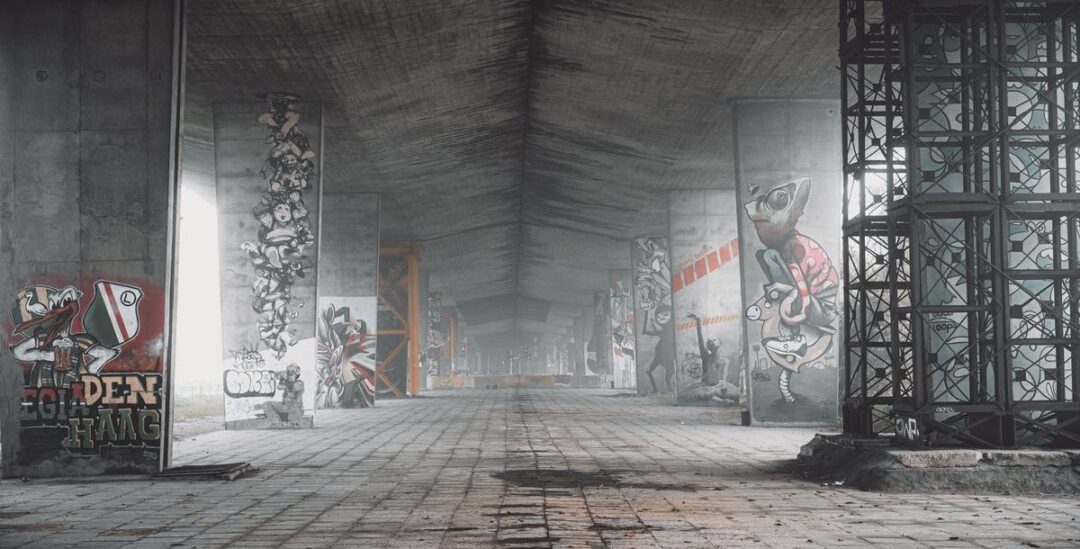
Schnelllebig, spektakulär und subversiv – die derzeit aufregendste Galerie der Welt ist die Straße.
Die Reihe „Urban Art: Wem gehört die Stadt?“ von Ann-Catrin Malessa und Maria Miler widmet sich in drei Teilen der Kunstgattung, ab Montag, 2. Januar 2023, täglich um 19.20 Uhr in 3sat.

Die Sendungen sind ab Sendetag in der 3sat Mediathek zu finden und bereits jetzt auf ardkultur.de.
Street Art wurzelt in den 1970er- und 1980er-Jahren, als Graffiti als junges Phänomen galt. Künstler Daim hat zur Geschichte der Kunstgattung eine Ausstellung kuratiert und erzählt von den Anfängen dieser Subkultur.
Heute setzt das Berliner Künstlerkollektiv Innerfields mit dem Remake ihres Murals „Зараз“ ein Zeichen der Solidarität mit der Ukraine, im Iran wird Street Art als Protestmittel gegen das Regime eingesetzt.
Weibliche Urban Artists und Graffiti-Writer machen zunehmend auf sich aufmerksam – die Rebellion gegen den Status quo ist allgegenwärtig. Aber auch der Reiz am Vandalismus nicht weniger geworden.
Welche Bedeutung hat Vandalismus für die Geschichte der urbanen Kunst? Mit welchen aktuellen politischen Strömungen fühlt sich die Urban-Art-Szene verbunden?
-> Damit befasst sich die erste Folge der Reihe „Re:volte – zwischen Protest und Vandalismus“ am Montag, 2. Januar 2023, 19.20 Uhr.
Mit Festivals wie FamOS in Osnabrück und Urban Nation Museum Berlin hält die urbane Kunst endgültig Einzug in die institutionelle Kunstwelt. Das von den Dixons initiierte Projekt „The Haus“, eine temporäre Street-Art-Ausstellung in einer ehemaligen Bankfiliale, avanciert zum Publikumsmagneten.
Ania Pilipenko verlagert die kuratierte Ausstellung sogar ins Metaverse und bietet mit „Metawalls“ die ersten Urban Art (Co-)NFTs zum Kauf an. Urban Art ist öffentlichkeitswirksamer und zugänglicher geworden, Projekte wie die East Side Gallery in Berlin unterstützen diese Entwicklung.

Doch welches Ausmaß hat die Institutionalisierung von Urban Art erreicht? Welche Relevanz hat die Urban-Art-Szene auf dem Kunstmarkt? Ist die Szene in die Prozesse wie die Kuratierung involviert oder bringt der Kunstmarkt auch Zwänge mit sich?
-> Das sind unter anderem die Themen der zweiten Folge „Re:new – zwischen Alltagskultur und Ausstellungen“ am Dienstag, 3. Januar 2023, 19.20 Uhr.
2021 tritt die Deutsche Wohnen als Hauptsponsor des „Berlin Mural Fests“ auf und stößt damit eine Debatte an: Mit wem dürfen oder wollen Kunstschaffende kooperieren und mit wem nicht? Die Dixons als Initiatoren sehen darin kein Problem, während Künstlerin Hera ihre Teilnahme abgesagt hat.
Urban Art ist längst im Mainstream angekommen und das wird besonders für Investoren und Hauseigentümer interessant. In Wiesbaden bemalt Case MaClaim eine Fassade in Kooperation mit einer Wohnungsbaugesellschaft und zeigt damit, dass nicht jede Kooperation etwas Schlechtes mit sich bringen muss.
Dabei ist die Street-Art-Szene gerade in von Gentrifizierung bedrohten Städten wie Berlin eng mit Initiativen, die für Freiflächen kämpfen, verbunden. Wie sehen gelungene kommerzielle Kooperationen aus? Und was ist Artwashing?
-> Mit diesen Fragen, aber auch, mit der Frage, welche Rolle Urban Art in der Stadtentwicklung, Tourismus und urbaner Kultur spielt, setzt sich die letzte Folge der Reihe „Re:claim – zwischen Kunst und Kommerz“ am Mittwoch, 4. Januar 2023, 19.20 Uhr, auseinander.
© Fotos: Piotr Szajewski (1), Marcus Loke (1), Unsplash
➡️ Gefällt Ihnen?
👍 Online folgen:
Facebook |
Instagram |
LinkedIn |
Flipboard |
Pinterest |
Twitter
Seit Jahren vertrauen uns unzählige Menschen und nutzen unsere Online-Magazine.
The Sierks (Sierks Media) bietet alle Inhalte kostenlos an.
Wenn Ihnen unsere Arbeit gefällt, freuen wir uns über Ihre Unterstützung - egal ob klein oder groß.
Redaktion unterstützen und The Sierks einen ausgeben...