

Tuning erfreut sich großer Beliebtheit – und dies gilt zunehmend auch für die Oldtimerszene. Besonders in den 1980er und 1990er Jahren waren Fahrzeugmodifikationen weit verbreitet.
Doch stellt sich die Frage, ob nachträgliche Änderungen an Oldtimern mit H-Kennzeichen erlaubt sind, da diese weitgehend im Originalzustand sein müssen.

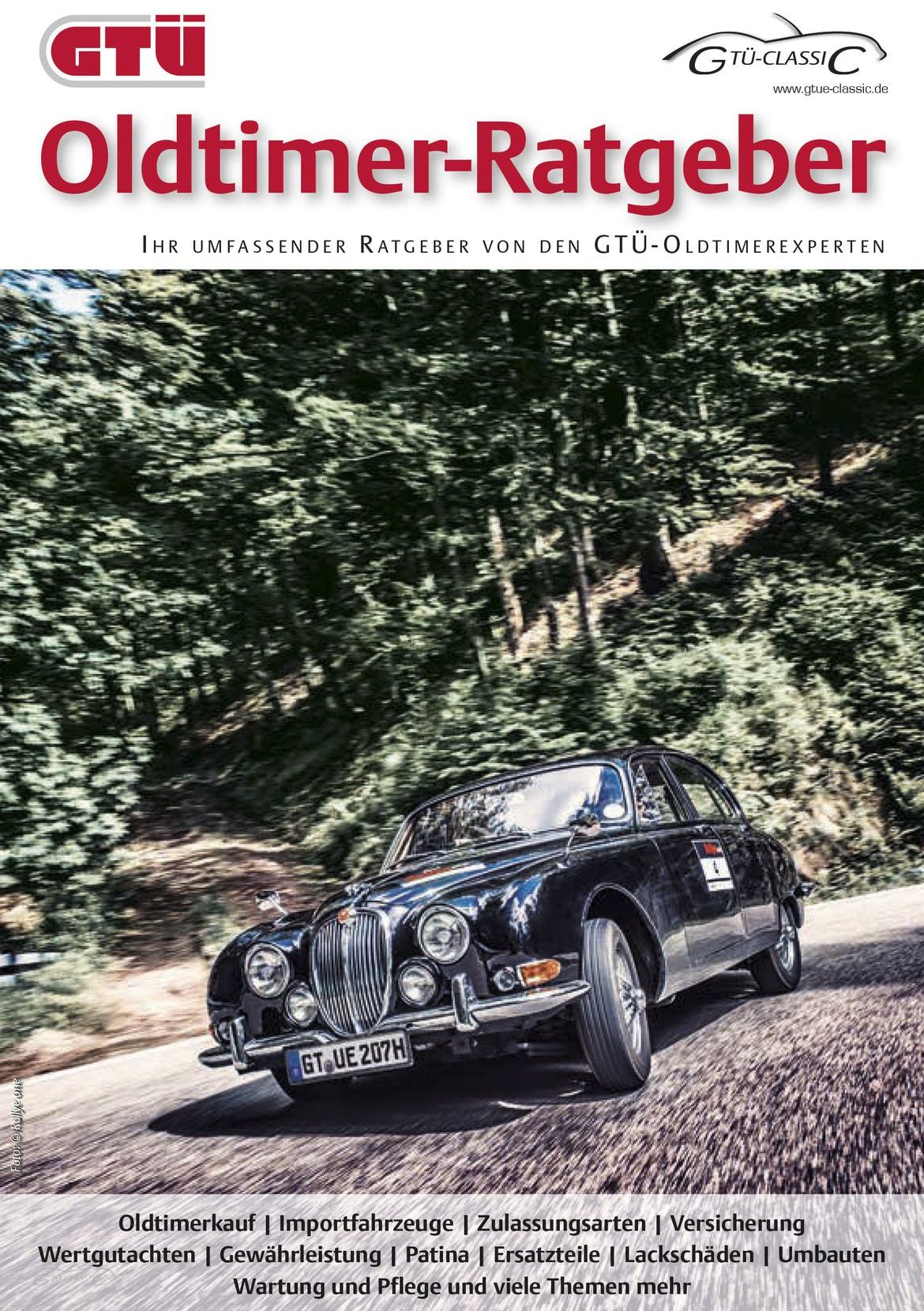
„Zeitgenössisches Tuning“ gefährdet das H-Kennzeichen nicht, wenn die Modifikationen bereits in den ersten zehn Jahren nach der Erstzulassung eines Fahrzeugs üblich waren. Ein 120 Seiten umfassender Ratgeber klärt nun weiter auf.
Die Gesellschaft für Technische Überwachung (GTÜ) empfiehlt, vor Veränderungen einen Sachverständigen zu konsultieren oder notwendige Nachweise zu recherchieren.
Das kann unliebsame Überraschungen vermeiden. Modifikationen, die vor mehr als 30 Jahren durchgeführt wurden und dies durch Einträge in den Fahrzeugpapieren belegt ist, sind in der Regel unproblematisch.
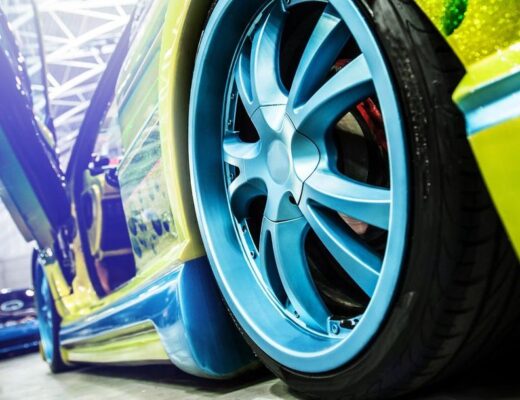
Zum Tuning älterer Fahrzeuge zählen größere Räder, tiefergelegte Fahrwerke und stärkere Motoren. Der neue Oldtimer-Ratgeber der GTÜ bietet zahlreiche Beispiele wie Spoiler, kürzere Federn und Sportlenkräder aus den 1970er Jahren.
Höhenverstellbare Gewindefahrwerke können ebenfalls den Anforderungen eines H-Kennzeichens entsprechen, wenn sie schon damals verfügbar waren.
Auch das Nachrüsten von Scheibenbremsen ist möglich, wenn diese bei der Erstauslieferung zur Modellfamilie gehörten oder als Sonderausstattung angeboten wurden.
Zeitgenössische Folierungen oder Aufkleber sowie Leistungssteigerungen durch modifizierte Motorenteile sind ebenfalls gestattet, sofern sie vor über 30 Jahren durchgeführt wurden oder aus der gleichen Baureihe stammen.
Alle verwendeten Teile müssen nachweislich der Straßenverkehrszulassungsordnung (StVZO) entsprechen. Dies kann durch eine allgemeine Betriebserlaubnis, ein Teilegutachten oder eine Abnahme nach § 19 (2) StVZO geschehen.
Schwieriger ist oft der Nachweis, dass Tuningmaßnahmen historisch üblich waren. Hier können alte Prospekte, Werbeanzeigen und Testberichte helfen.
Für viele Tuning-Bauteile existieren eine allgemeine Betriebserlaubnis (ABE) oder ein Teilegutachten, was eine Änderungsabnahme nach § 19 (3) StVZO erleichtert. Fehlen diese, kann eine Einzelabnahme weiterhelfen.
Neben Fahrtrainings bietet die GTÜ Workshops zu rechtlichen Fragen und warnt vor minderwertigen Tuningteilen, deren Einbau die Sicherheit gefährden kann.
Der Oldtimer-Ratgeber ist online übrigens unter gtue.de zu finden.
Sierks Media / © Fotos: Auto-Medienportal.Net, GTÜ / Quelle: aum
➡️ Gefällt Ihnen?
👍 Online folgen:
Facebook |
Instagram |
LinkedIn |
Flipboard |
Pinterest |
Twitter
Seit Jahren vertrauen uns unzählige Menschen und nutzen unsere Online-Magazine.
The Sierks (Sierks Media) bietet alle Inhalte kostenlos an.
Wenn Ihnen unsere Arbeit gefällt, freuen wir uns über Ihre Unterstützung - egal ob klein oder groß.
Redaktion unterstützen und The Sierks einen ausgeben...



Originalität vs. Tuning: Was ist erlaubt beim Oldtimer?
17. Dezember 2024 at 19:30[…] Mehr zum Thema […]
Oldtimer: Originalität vs. Tuning - MotorAktuell
22. Januar 2025 at 17:49[…] Mehr zum Thema […]